“Without a doubt, we are facing the fundamental work of the Spanish transition.”
— Librairie hispa
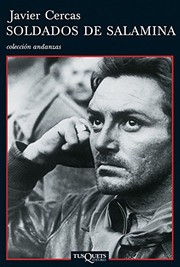
Un relato vibrante, tenso y pormenorizado que empieza leyéndose como una novela policíaca y acaba leyéndose como una novela de terror. Este libro es un ensayo en forma de crónica o una crónica en forma de ensayo. Este libro no es una ficción. Este libro es la anatomía de un instante: el instante en que Adolfo Suárez permaneció sentado en la tarde del 23 de febrero de 1981 mientras las balas de los golpistas zumbaban a su alrededor en el hemiciclo del Congreso de los Diputados y todos los demás parlamentarios -todos menos dos: el general Gutiérrez Mellado y Santiago Carrillo- buscaban refugio bajo sus escaños. Este libro es la crónica de ese gesto y la crónica de un golpe de estado y la crónica de unos años decisivos en la historia de España. ENGLISH DESCRIPTION In February 1981, Spain was still emerging from Franco's shadow, holding a democratic vote for the new prime minister. On the day of the vote in Parliament, while the session was being filmed by TV cameras, a band of right-wing soldiers burst in with automatic weapons, ordering everyone to get down. Only three men defied the order. For thirty-five minutes, as the cameras rolled, they stayed in their seats. Critically adored novelist Javier Cercas originally set out to write a novel about this pivotal moment, but determined it had already gained an air of myth, or, through the annual broadcast of video clips, had at least acquired the fictional taint of reality television. Cercas turned to nonfiction, and his vivid descriptions of the archival footage frame a narrative that traverses the line between history and art, creating a daring new account of this watershed moment in modern Spanish history. The story will be new to many American readers, but the book stands resolutely on its own as a compelling literary inquest of national myth, personal memory, political spectacle, and reality itself.
Anatomía de un instante
Year
2009
Pages
403
Type
Nonfiction
Tags
Praise
“Without a doubt, we are facing the fundamental work of the Spanish transition.”
— Librairie hispa
Description
Un relato vibrante, tenso y pormenorizado que empieza leyéndose como una novela policíaca y acaba leyéndose como una novela de terror. Este libro es un ensayo en forma de crónica o una crónica en forma de ensayo. Este libro no es una ficción. Este libro es la anatomía de un instante: el instante en que Adolfo Suárez permaneció sentado en la tarde del 23 de febrero de 1981 mientras las balas de los golpistas zumbaban a su alrededor en el hemiciclo del Congreso de los Diputados y todos los demás parlamentarios -todos menos dos: el general Gutiérrez Mellado y Santiago Carrillo- buscaban refugio bajo sus escaños. Este libro es la crónica de ese gesto y la crónica de un golpe de estado y la crónica de unos años decisivos en la historia de España. ENGLISH DESCRIPTION In February 1981, Spain was still emerging from Franco's shadow, holding a democratic vote for the new prime minister. On the day of the vote in Parliament, while the session was being filmed by TV cameras, a band of right-wing soldiers burst in with automatic weapons, ordering everyone to get down. Only three men defied the order. For thirty-five minutes, as the cameras rolled, they stayed in their seats. Critically adored novelist Javier Cercas originally set out to write a novel about this pivotal moment, but determined it had already gained an air of myth, or, through the annual broadcast of video clips, had at least acquired the fictional taint of reality television. Cercas turned to nonfiction, and his vivid descriptions of the archival footage frame a narrative that traverses the line between history and art, creating a daring new account of this watershed moment in modern Spanish history. The story will be new to many American readers, but the book stands resolutely on its own as a compelling literary inquest of national myth, personal memory, political spectacle, and reality itself.
What to read after Anatomía de un instante.
Tell us what you’re craving.